What is AI UGC? The parts of an ad, and the take that gives it away
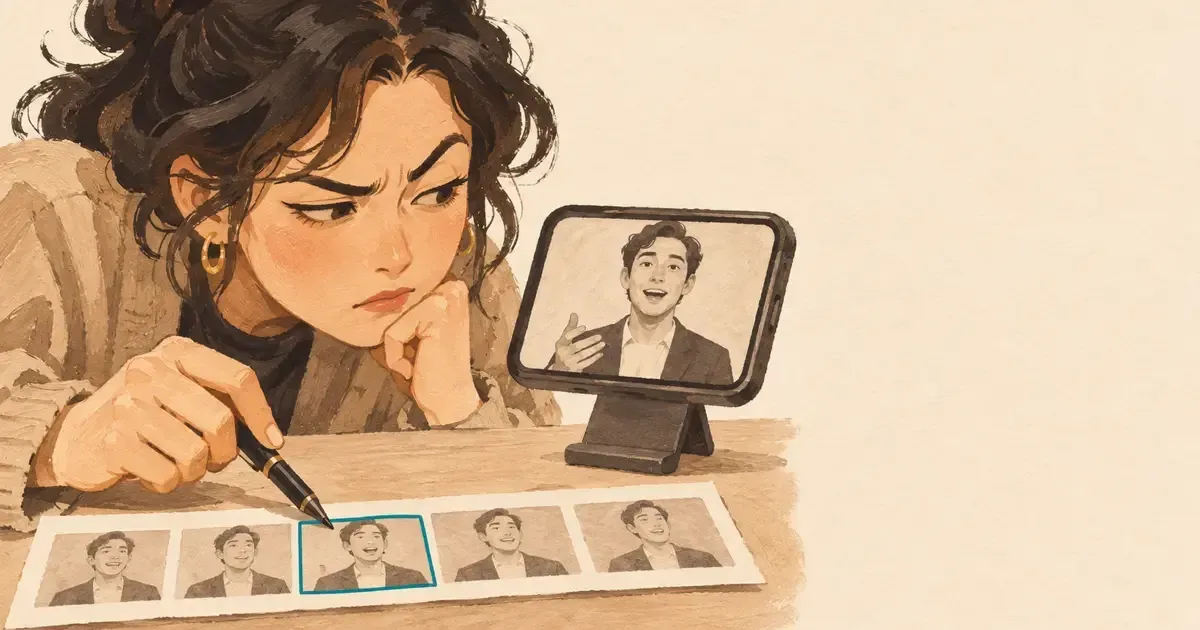
You watched a skincare ad with a friendly woman talking to her phone, and something felt off before you could say what. A commenter on r/AI_UGC_Marketing put it in nine words: "She just looks, talks, and sounds like generic AI." (r/AI_UGC_Marketing(opens in new tab)).
What is AI UGC, then? An ad shot in the user-generated style, a person talking to camera as if on their own phone, where the presenter, the voice and often the shots are generated from a script instead of filmed. The format is the same as a creator ad. What changes is who, or what, is on camera, and how you catch the take that gives it away.
What are UGC ads?
UGC means user-generated content: posts, photos and videos made by customers, not by the brand. A UGC ad is a paid ad built on that look. Three different things now share the name, and most explanations blur them:
| Who is on camera | Who wrote the words | How it is made | |
|---|---|---|---|
Customer UGC | Someone who bought the product | The customer | Filmed by the customer, then licensed by the brand |
UGC-style ad | A paid creator | Usually the brand's brief | Filmed by the creator, on a phone, to look unpolished |
AI UGC | A generated presenter | A script | Rendered from the script, with a generated voice and setting |
The first two are filmed. AI UGC is rendered. It borrows the creator format (eye contact, phone framing, a hook in the first second) without a shoot, which is why one script can become many variants with no new shoot.
The difference matters most in one place: an AI presenter is a spokesperson explaining the product, not a customer reporting a result. Presenting a generated person as a real buyer is where an ad crosses a line. The rules for that, in the US and the EU and on each platform, are in are AI UGC ads legal?.
The parts of an AI UGC ad
Take an AI UGC ad apart and you find six pieces. Each one can be changed on its own, and each one can fail on its own.
Six parts, one check. The check sits before the cut, where a bad second is still cheap to drop.
- Script and hook. The words, and above all the first line. A script written on the structure of a reel that already took off starts with proof that the pattern holds attention. How to find one is in find viral reels for ads.
- Presenter. The generated person: face, age, clothes, how they hold the camera. Pick the one your viewer would trust on this topic, a maker, a seller or a user at home.
- Voice. Pace and pauses matter more than the timbre. A voice with no breath and no room around it is one of the tells viewers mention.
- Setting and live shots. Where the presenter stands, and the moments they move instead of talking. A presenter who only talks reads as a slideshow; see AI UGC actor live shots.
- Product on screen. The product in hand, the label readable, the app screen visible. This is the part buyers check hardest, covered in AI UGC video ads with the product on screen.
- The cut. Clip windows back to back, captions, music, vertical 9:16.
Why some AI UGC looks fake
What gives an ad away is often one wrong second, and the complaints about it repeat:
- The hand and the product. "An ai generated ad shows a fake hand holding the product and all of it is generated by a model that has never seen the product in real life," one user wrote on r/antiai(opens in new tab).
- The sound. "the voice sounds good but still a bit overly "clean"," a reply on the skincare thread(opens in new tab) said. Real mics, the same reply added, pick up a little of the room.
- The trust it costs. On a thread asking whether poor AI UGC is hurting brands, one commenter said a fake person with a fake product "INSTANTLY gives off scam vibes" (r/AI_UGC_Marketing(opens in new tab)).
A recent TechBullion piece on AI UGC ads(opens in new tab) lists the same tells: lip-sync drift, odd blinking and eye contact, hands that warp around a product, and audio or background errors. It also recommends a person watching the full ad before it runs. That look still matters; a per-clip check adds the exact second of each defect, before the clips are cut together.
How a bad take gets caught before it runs
Most explainers on AI UGC say little about what the human, or their agent, checks, and when.
Check each generated clip before it goes into the cut, not the finished ad after. On Clipwright.io that check is check_take. It judges a clip against the prompt it was made with and returns each defect with the second it happens, plus the clean windows to cut from. Your agent then builds the cut from those windows, so a defect at, say, 2.4 seconds is cut around instead of shipped. A check that delivers no verdict costs nothing.
Two limits. The check judges a clip against the prompt it was made with, or an uploaded video against the direction you give it. It does not grade a finished presenter video as a whole. And it finds defects; choosing what goes in is still the cut's job.
A request your agent can run, once you have a few clips:
Check each of my new clips against the prompt it was made with. List the defects with their seconds and the clean windows, then quote a 20-second vertical cut that uses only the clean windows. Don't run the cut until I say yes.
Creator-made vs AI-made: what actually changes
Price per video is the obvious comparison, and it depends on the creator, the length and the market, so no single number holds. The parts that change no matter the price:
| Creator-made | AI-made | |
|---|---|---|
Turnaround | A brief, a shoot, a delivery | A render per take, no shoot |
A new hook | A new shoot or a reshoot | A new render of the first lines |
Who is on camera | A real person, with their consent and usage terms | A generated presenter, never presented as a customer |
Failure you watch for | Off-brief delivery | A wrong second inside an otherwise good clip |
Disclosure | Endorsement disclosure | Endorsement disclosure, plus AI labels where the platform or law asks |
On Clipwright.io every paid step has a free quote, and you pay for what is delivered, so you see the price before a variant runs. For presenter videos the quote is an estimate: the charge follows the measured video and can land above or below it. The AI UGC ads guide(opens in new tab) covers whether AI UGC performs and where it doesn't fit.
FAQ
Is AI UGC real UGC?
No. UGC is made by customers. AI UGC copies the format with a generated presenter, so it should be presented as a spokesperson explaining the product, never as a customer's own review.
Is AI UGC legal?
Often, when the ad doesn't present the generated person as an actual buyer and carries the labels the platform or law asks for. It depends on the market and the platform; the details for the US, the EU and each platform are in are AI UGC ads legal?. That post, like this one, is not legal advice.
What is the difference between AI UGC and an AI avatar?
The avatar is one part, the presenter. AI UGC is the whole ad in the creator format: script, presenter, voice, setting, product shots and the cut.
Can every AI UGC ad be checked automatically?
Not as a finished whole. The defect check judges a clip against the prompt it was made with, or an uploaded video against the direction you give it, which covers the clips that go into a cut. A finished presenter video still gets a human look before it runs.
What are UGC ads in simple terms?
Paid ads that look like a person talking about a product on their own phone, instead of a studio commercial.
Check one clip tonight
Pick one clip you generated for an ad, or upload one you already have. Ask your agent to check it against the prompt it was made with, or against your direction for an uploaded clip, and read the list of defects and clean windows it sends back. If it found nothing, the clip is ready for your own look and the cut. If it isn't, you just found the second a viewer would have noticed.
For your agent
- Server URL:
https://mcp.clipwright.io/mcp, OAuth sign-in. make_ugc(quote:quote_ugc) makes a presenter video from a script.generate_video(quote:quote_video) makes a short clip.check_take(quote:quote_take_check) judges a clip-generator clip against the prompt it was made with, or an uploaded video against the direction your agent gives it. It returns each defect with its seconds and the clean windows. It does not grade a finishedmake_ugcvideo.render_edit(quote:quote_edit) cuts clean windows into one vertical 9:16 MP4.- Paid tools have a free quote tool;
list_pricesshows prices. Show the quote and wait for a yes before the paid call.
One bad second is all a viewer needs to stop trusting the ad.
A bad second hides inside an otherwise good clip. Have your agent check each clip against its prompt first: every paid step has a free quote, and you pay for what is delivered.
Check your first clipAbout the Author

Founder at Dimantika
Co-founder of Dimantika, the company behind Clipwright.io and ViralFaceless. Builds both with coding agents. Previously ran GlockSoft with a partner for about 15 years. Writes here about handing video production to agents.
View all postsMore articles you might like.
How to find viral reels for ads when views lie
The biggest reel in your niche is often an ordinary day for a big account. Find the one that beat its own creator, check it's still gaining, and build your ad on how it's made.
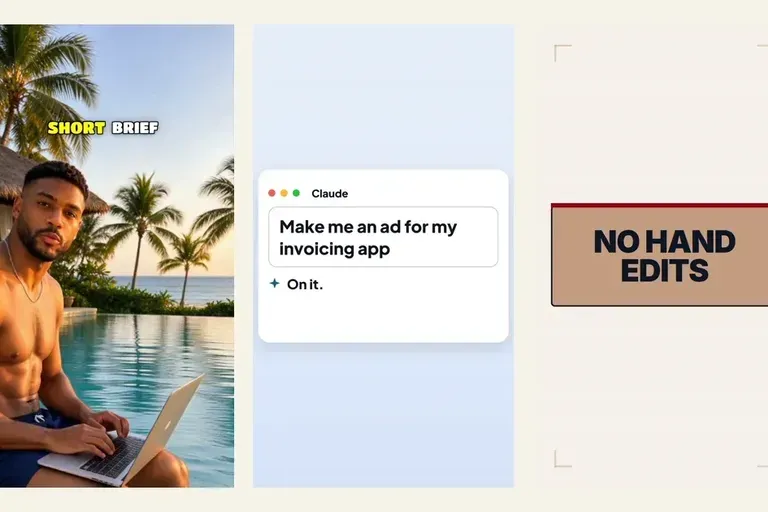
How to create a video ad with AI from one brief
How to create a video ad with AI where you approve every step: a short brief, a reel that took off, a beat plan, your notes, then the price before it runs.
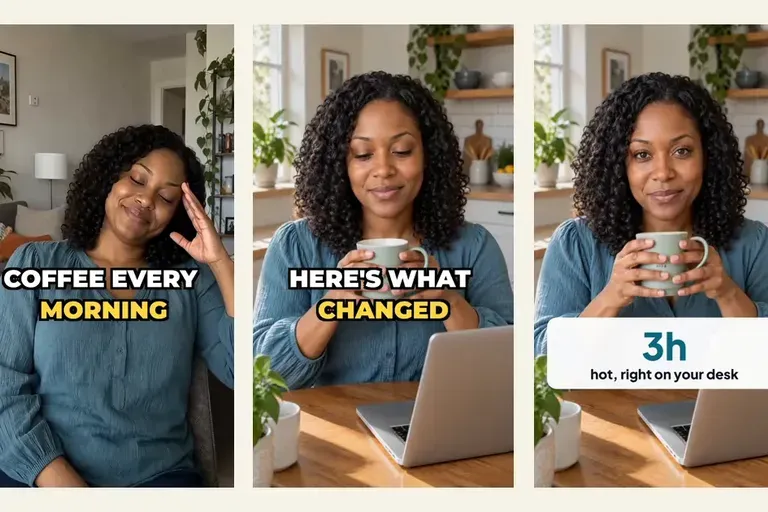
Make your AI UGC actor act, not just talk
An AI UGC ad where the actor only talks reads as generated. Live shots hand chosen words of your script to a take where the actor acts or shows your product.